
"extra fancy Kona"
200 article(s) found

Description of taste and flavor of Hawaiian Kona coffee beans
Following Kaibei (Wechat official account vdailycom) found that the word Hawaii, which opened a small shop in Beautiful Cafe, originated from Polynesian. Around the 4th century AD, a group of Polynesians came in a canoe and settled here, naming the island Hawaii, which means primitive home. The sky and sea here are the clearest colors, and marshmallows are as white as marshmallows.

Introduction of coffee beans and some boutique coffee in the main producing areas of coffee beans in the world (5)
Coffee beans and some boutique coffee in the main producing areas of coffee beans in the world: Australia

Introduction to the characteristics of Hawaiian Coffee beans _ which Hawaiian Coffee tastes better _ Hawaiian Coffee recommendation
For more information on coffee beans, please follow the coffee workshop (Wechat official account cafe_style) Hawaiian Coffee-Kona Extra Fancy is perfect in shape, full-bodied, full-bodied, well-balanced in acidity and cinnamon. Perhaps the most beautiful coffee bean in the world. Kona coffee beans from Hawaii have the most perfect appearance. Their fruits are extremely full and smooth.

Introduction to the only top variety of Kona coffee produced in 50 states in the United States
Real Kona coffee is indeed a treasure in the world and is not easy to find. The best Kona coffee is divided into Extra Fancy, Fancy and Number One. This third-class coffee is produced on manors and under natural conditions. Most of the coffee on the market today that calls itself Kona contains less than 5% of the real Hawaiian Kona. Another kind of no can be found in the United States.

Island Coffee area-Kona ExtraFancy, Hawaii, what is the relationship between White House Coffee and White House Coffee
Professional coffee knowledge exchange more coffee bean information please follow the coffee workshop (Wechat official account cafe_style) front street-Hawaii Cona Extra Fancy introduced KONA is produced in Hawaii, the largest island of Hawaii, located in the 4200-meter-high Mauna Kea Shanxi side of the hillside of the KONA area, the climate of the tropical rain forest is quite rich in annual rainfall, coffee trees are planted in fragmented volcanoes

The main grading of Hawaiian coffee beans
Follow the caf é (Wechat official account vdailycom) and found that the Hawaiian coffee beans are mainly classified as Extra Fancy-Fancy-Number 1-Selected-the names above Prime are graded according to the size and number of broken beans, in which Type 1 means flat beans and Type 2 means round beans.

Taste of Hawaiian Kona Coffee with suitable Climate introduction Fine Coffee beans Hawaiian Coffee beans
Kona coffee, Arabica, beautiful appearance, average neat bean shape, clear taste, medium mellow, slightly sour taste, strong aroma and long aftertaste. Kona coffee is divided into four grades, namely Extra Fancy, Fancy, Prime and Gr.No.1. Due to the low output and high production cost, the price of Kona in the market is catching up with the increasing demand for fine coffee.

Hawaiian Fine Coffee beans Kona Coffee introduction Hawaiian Kona Coffee Price Hawaiian Kona Coffee
Coffee grade Kona coffee is divided into four grades, namely Extra Fancy, Fancy, Prime and Gr.No.1. Due to low production and high production costs, in the case of increasing demand for boutique coffee, the price of Kona on the market is catching up with the Blue Mountain of Jamaica, and the best Kona beans are becoming more and more difficult to buy. The quality of Kona coffee with excellent growth environment is suitable for the suitable geographical location and climate. Coffee tree

Hawaiian kona Coffee Brand fully recognizes these brands in order to buy authentic [Kona Coffee]
Professional coffee knowledge exchange more coffee bean information please follow the coffee workshop (Wechat official account cafe_style) to know first-hand the coffee production process of Greenville Farm in Kona Coffee area and all kinds of Hawaiian cuisine about Kona, coffee drinkers have heard of his acidic and fruity characteristics, but after actually staying in Hawaii for a while, I found that Kona
Classification standard of raw coffee beans
There are two ways to classify raw coffee beans, one is the filter number, and the other is the elevation.
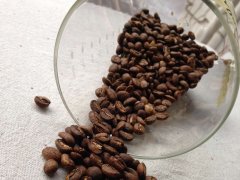
There are two ways to grade green coffee beans.
There are two ways to grade coffee beans, one is to filter the number of points, one is to elevation points. The size of the round beans is generally smaller than the flat beans, the round beans are between 8-13, and the flat beans are between 12-29. 8,9,10... 12,13... 18... 29= ,,......, Extra large. The bigger the number, the bigger the bean. SC-19, for example, is bean number 19.
Graded high-quality coffee beans
There are two ways to classify raw coffee beans, one is the filter number, and the other is the elevation. It is divided by the number of the filter screen, and the size is in the unit of the screen (size). Round beans are generally smaller than flat beans, between 8-13 and 12-29. 8, 9, 10. 12, 13. 18. 29 = small, medium, ordinary. Quasi-big. Big, extra large. The bigger the size, the bigger the beans. Like SC.
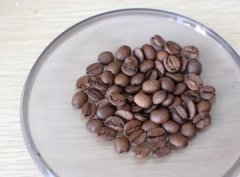
Standard for grading coffee beans
There are two ways to grade coffee beans, one is to filter the number of points, one is to elevation points. It is divided by the filter number and the size is determined by the mesh size. Round beans are generally smaller than flat beans, round beans between 8-13, flat beans between 12-29. 8,9,10... 12,13... 18... 29 = Small, Medium, Normal... It's a big... big, extra big. The bigger the number, the bigger the bean. Like SC
Grading standard of raw coffee beans
There are two ways to classify brown raw beans, one is to filter the number, and the other is to divide it by elevation. It is divided by the number of the filter screen, and the size is in the unit of the screen (size). Round beans are generally smaller than flat beans, between 8-13 and 12-29. 8, 9, 10. 12, 13. 18. 29 = small, medium, ordinary. Quasi-big. Big, extra large. The bigger the size, the bigger the beans. Like SC-1.
Classification standard of coffee raw beans for fine coffee
There are two ways to classify raw coffee beans, one is the filter number, and the other is the elevation. It is divided by the number of the filter screen, and the size is in the unit of the screen (size). Round beans are generally smaller than flat beans, between 8-13 and 12-29. 8, 9, 10. 12, 13. 18. 29 = small, medium, ordinary. Quasi-big. Big, extra large. The bigger the size, the bigger the beans. Like SC.

Quality coffee beans, knowledge, classification of raw coffee beans
There are two ways to classify raw coffee beans, one is the filter number, and the other is the elevation. It is divided by the number of the filter screen, and the size is in the unit of the screen (size). Round beans are generally smaller than flat beans, between 8-13 and 12-29. 8, 9, 10. 12, 13. 18. 29 = small, medium, ordinary. Quasi-big. Big, extra large. The bigger the size, the bigger the beans. Like SC.
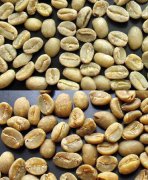
Grading of raw coffee beans
There are two ways to classify raw coffee beans, one is the filter number, and the other is the elevation. It is divided by the filter number, and the size is size in terms of the screen size. Round beans are generally smaller than flat beans, between 8-13 and 12-29. 8, 9, 10. 12, 13. 18. 29 = small, medium, ordinary. Quasi-big. Big, extra large. The bigger the size, the bigger the beans. Like SC-.

Standard for grading of fine coffee beans, common sense coffee and raw beans
It is divided by the number of the filter screen, and the size is in the unit of the screen (size). Round beans are generally smaller than flat beans, between 8-13 and 12-29. 8, 9, 10. 12, 13. 18. 29 = small, medium, ordinary. Quasi-big. Big, extra large. The bigger the size, the bigger the beans. SC-19, for example, is the No. 19 bean. According to the elevation of the cultivated land, it can be divided into seven grades.
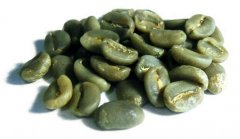
Well-known coffee raw beans introduce Hawaii Kona
Extra fancy kona, Hawaii, which is considered to be one of the best coffee producing areas in the world, must cover six important factors: soil quality, altitude, sunshine, cloudiness, rainfall and slope. Hawaii is blessed with these six elements to produce the best and most respected coffee in the world. Soil quality: fat, lively tropical Hawaiian volcanic soil, providing a family.
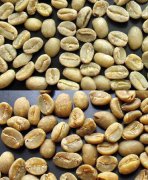
Classification of raw coffee beans in Coffee Encyclopedia
There are two ways to classify raw coffee beans, one is the filter number, and the other is the elevation. It is divided by the filter number, and the size is size in terms of the screen size. Round beans are generally smaller than flat beans, between 8-13 and 12-29. 8, 9, 10. 12, 13. 18. 29 = small, medium, ordinary. Quasi-big. Big, extra large. The bigger the size, the bigger the beans. Like SC-.